

ONLINE THERAPY FOR WOMEN READY TO FEEL MORE GROUNDED
Anxiety Therapy in California
Find Calm. Reclaim Your Glow.
You don't have to keep living in a constant state of worry and pressure.
DOES THIS SOUND LIKE YOU?
When Your Mind Never Seems to Turn Off, You May Find Yourself...
Overthinking
Conversations long after they’re over.
Expecting the worst
Even when everything seems okay.
Feeling responsible
For everyone else’s well-being.
Struggling to rest
Without feeling like you should be doing something.
Second-guessing yourself
And worrying you made the wrong decision.
Feeling exhausted
From always being “on.”
You don't have to keep living in survival mode.
Anxiety isn't a sign that you're weak. Sometimes it's what happens when your mind and body have learned to stay prepared for what might go wrong.
UNDERSTANDING ANXIETY
Your Anxiety Is Trying to Protect You
Anxiety can feel frustrating—especially when part of you knows you're okay, but your mind and body don't seem to believe it.
At its core, anxiety is your brain's way of anticipating potential danger. It can keep you alert, help you prepare, and encourage you to pay attention when something doesn't feel right.
But sometimes that protective system stays switched on even when there isn't an immediate threat.
Your mind starts scanning for what could go wrong. You replay conversations. Prepare for every possibility. Try to stay one step ahead. Your body may feel restless, tense, exhausted, or unable to fully settle.
Your anxiety isn't the enemy. It's a protective response that may be working harder than you need it to.
Therapy can help you understand what your anxiety is responding to—and teach your mind and body that they don't have to stay on high alert all the time.

Recognize the Signs
Signs You May Be Struggling with Anxiety
Anxiety doesn’t only show up as worry. It can also affect your body, relationships, decisions, and ability to feel present. You may notice that you:
Seek reassurance that you haven’t done something wrong.
Feel tense, restless, irritable, or emotionally on edge.
Find it difficult to tolerate uncertainty or unexpected changes.
Have difficulty sleeping or wake up feeling unrested.
Experience headaches, muscle tension, digestive discomfort, or a racing heart.
Procrastinate because you’re afraid of making the wrong choice.
Avoid conversations, decisions, or situations because they feel overwhelming.
Feel disconnected or distracted, even during meaningful moments.
If several of these experiences feel familiar, you’re not alone. Anxiety is treatable, and you can learn to feel safer, more grounded, and more present in your life.
Understanding the Root
What Causes Anxiety?
Chronic Stress
Long-term stress from work, caregiving, relationships, or major life transitions can leave your nervous system feeling constantly activated.
Childhood Experiences
Growing up in unpredictable, critical, or high-pressure environments can teach your brain to remain on high alert—even long after those experiences have passed.
Perfectionism
Feeling like you must always succeed or avoid mistakes can create constant pressure and fear of failure.
People-Pleasing
Putting everyone else's needs before your own can lead to chronic worry, guilt, and emotional exhaustion.
Cultural & Family Expectations
Many Latina and First-Gen Women grow up learning to be strong and self-sacrificing—making it difficult to slow down or ask for support.
Life Transitions & Uncertainty
Major changes, loss, relationship transitions, motherhood, career changes, or uncertainty about the future can leave your nervous system feeling unsettled and on high alert.
BEYOND THE WORRY
When Anxiety Hides Behind Competence
Anxiety doesn’t always look like visible distress. Sometimes it looks like being highly capable, constantly prepared, and the person everyone can depend on.
Always Having a Plan
Planning for every possibility can make uncertainty feel more manageable.
Staying Constantly Busy
Productivity may keep difficult thoughts and feelings at a distance.
Taking Responsibility for Everything
Being the dependable one can create a temporary sense of control.
Overpreparing
Extra preparation may protect you from feeling caught off guard or making a mistake.
People-pleasing
Keeping others happy can feel safer than risking tension or disappointment.
Perfectionism
Getting everything right may feel like protection from criticism or failure.
The goal isn’t to stop being capable, thoughtful, or prepared.
It’s to recognize when those strengths are being driven by fear—and develop new ways to feel safe without staying constantly alert, productive, or in control.

What's Possible
Benefits of Anxiety Therapy
Through Anxiety Therapy, you can begin to build a life guided by peace rather than fear.
Feel calmer and more emotionally grounded.
Reduce overthinking and constant worry
Build healthier coping strategies for life's challenges
Develop greater self-confidence and self-trust
Learn to regulate your nervous system during stressful moments
Set healthier boundaries without overwhelming guilt
Feel more present in your relationships and everyday life
Respond to challenges with greater confidence and resilience
A Different Path
What We’ll Work On Together
Anxiety therapy isn't about eliminating every anxious thought or never feeling overwhelmed again. It's about understanding your anxiety, learning how to respond to it differently, and building greater trust in yourself.
"Healing doesn't mean eliminating every anxious thought. It means learning how to respond to anxiety with greater awareness, self-compassion, and confidence."
Depending on your needs, our work may include:
Understanding your anxiety triggers
Learning nervous system regulation strategies
Reducing perfectionism and self-criticism
Building healthier boundaries
Strengthening self-confidence
Improving emotional resilience
Exploring how childhood experiences may be contributing to present-day anxiety
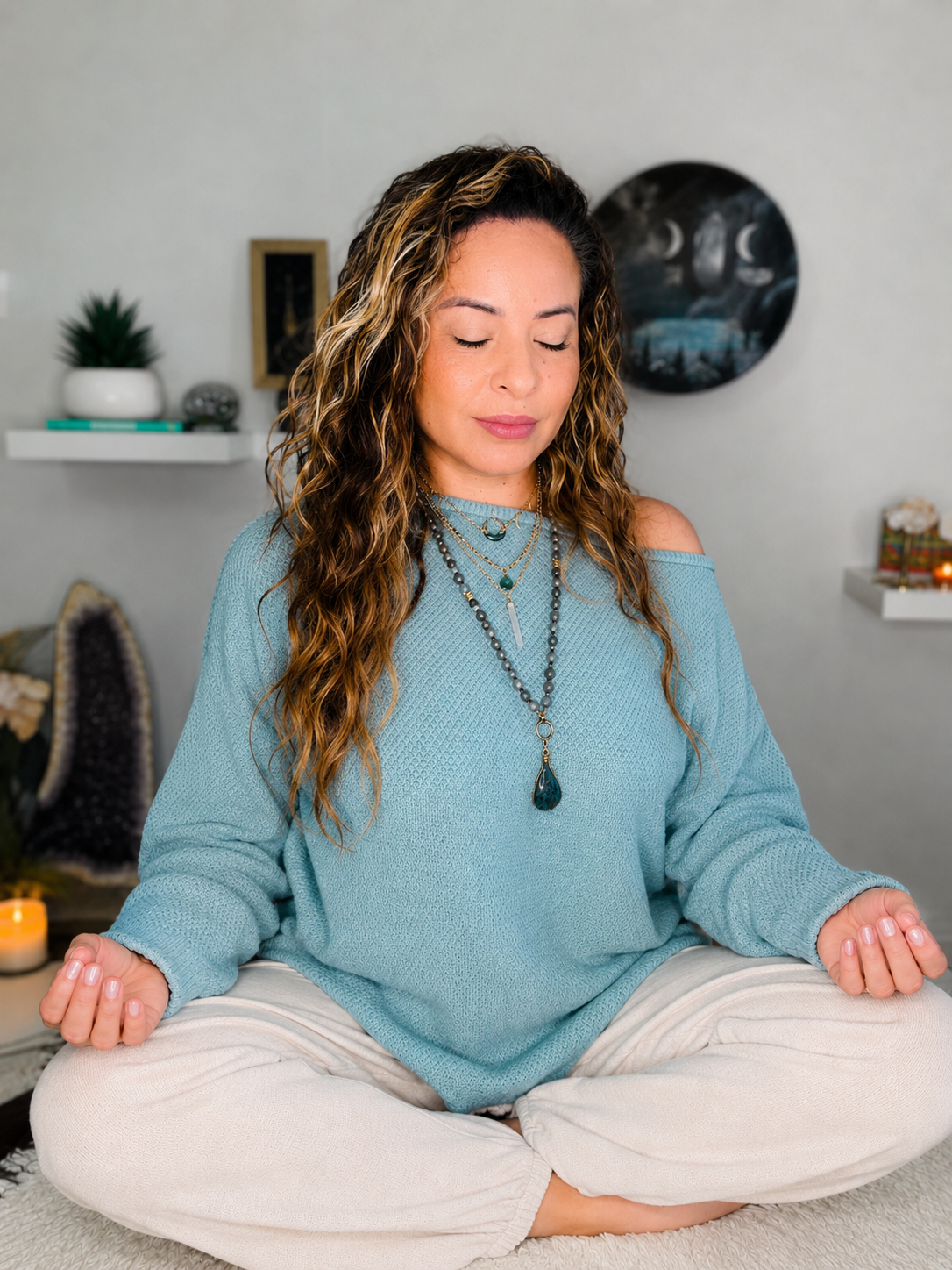
WHY WORK WITH GLORIA
A Space Where Your Story Is Honored
Anxiety doesn’t exist in a vacuum. The way you experience worry, responsibility, uncertainty, and control can be shaped by your relationships, life experiences, culture, family, and the roles you’ve learned to carry.
For more than 15 years, I’ve supported women in understanding what’s beneath their anxiety—not just managing the symptoms. Together, we’ll make space for the experiences that shaped you while helping you develop practical tools to feel more grounded, trust yourself, and respond differently when anxiety shows up.
As a First-Generation Afro-Latina therapist and proud Panameña, I bring a warm, relational, trauma-informed, and culturally responsive approach to our work. You don’t have to leave parts of yourself at the door.
Your story, your culture, your relationships, and the whole of who you are belong in the therapy room.
My goal isn’t simply to help you manage anxiety.
It’s to help you feel more grounded, trust yourself more fully, and build a life guided by peace rather than fear.
15+ Years of Experience
Supporting women through healing, relationships, anxiety, grief, and life transitions.
Trauma-Informed
Understanding your patterns through compassion rather than judgment.
Attachment-Focused
Exploring how early relationships may shape the way you connect with yourself and others today.
Culturally Responsive
Making space for culture, family, identity, generational experiences, and the expectations you've carried.
Evidence-Based
Integrating established therapeutic approaches with care tailored to you.
Common Questions
Frequently Asked Questions
What is Anxiety Therapy?
Anxiety Therapy is a collaborative process that helps you better understand the thoughts, emotions, behaviors, and life experiences contributing to anxiety. Together, we'll develop practical coping skills while addressing the underlying patterns that keep anxiety going.
Can therapy help with overthinking?
Yes. Overthinking is one of the most common concerns clients bring to therapy. Together, we'll identify the thought patterns fueling anxiety and develop healthier ways of responding so your mind no longer feels stuck in endless "what if" scenarios.
Will therapy teach me coping skills?
Absolutely. You'll learn practical strategies to regulate your nervous system, manage anxious thoughts, reduce stress, and respond to challenges with greater confidence. These tools are personalized to fit your unique needs and lifestyle.
Is anxiety ever connected to childhood experiences?
It can be. For many women, anxiety develops from childhood experiences that required them to stay hyperaware, avoid conflict, achieve perfection, or care for others before themselves. Over time, these survival strategies can become patterns of chronic worry, people-pleasing, perfectionism, or difficulty relaxing.
When appropriate, we'll gently explore these experiences together to better understand what's contributing to your anxiety today. If deeper childhood wounds are playing a role, we may incorporate Inner Child Therapy into our work so you can heal the underlying patterns—not just the symptoms.
What's the difference between Anxiety Therapy and Inner Child Therapy?
Anxiety Therapy focuses on helping you better understand and manage anxious thoughts, emotions, and behaviors while building practical tools to feel calmer and more confident in daily life.
Inner Child Therapy goes a step deeper by exploring how childhood experiences, attachment patterns, and early relationships may be influencing your anxiety today. Many clients benefit from combining both approaches—learning skills to manage anxiety while also healing the experiences that shaped it.
Do I need to be having panic attacks to benefit from therapy?
Not at all. Many people experience anxiety through chronic worry, perfectionism, people-pleasing, difficulty relaxing, or constantly feeling "on." Therapy can help whether your anxiety feels mild, moderate, or overwhelming.
Do you offer online Anxiety Therapy throughout California?
Yes. I provide secure online Anxiety Therapy for adults living anywhere in California, allowing you to receive support from the comfort and privacy of your own home.
When You’re Ready, I’m Here.
You don’t have to keep living in a constant state of worry, pressure, or emotional exhaustion.
Maybe your mind rarely feels quiet. Maybe you’re tired of overthinking every decision, preparing for what could go wrong, or feeling like you always have to hold everything together.
You don’t have to have everything figured out before reaching out. Whether you’re ready to begin therapy or simply exploring your options, your complimentary 20-minute consultation is an opportunity for us to connect, talk about what’s bringing you here, and see whether working together feels like the right fit.
My hope is that you’ll leave our conversation feeling heard, supported, and more confident about your next step—whether we decide we’re the right fit or not.
Find Calm. Reclaim Your Glow.